

Professional basketball is evolving faster than ever, and staying ahead of the game means understanding more than just the final score. From pro-level strategies and team performance trends to in-depth Fare League analysis and skill-building drills, today’s fans and athletes want insights that go beyond surface-level commentary. This article is designed to break down the hottest topics in basketball, giving you clear, actionable perspectives that connect what happens on the court to the bigger competitive picture.
We draw on detailed game film study, performance data, and proven training principles to ensure every insight is grounded in real basketball knowledge—not speculation. Whether you’re analyzing rotations, adjusting practice drills, or evaluating how travel demands in professional sports impact team consistency, you’ll find focused, practical takeaways here. If your goal is to better understand the modern game and sharpen your basketball IQ, you’re in the right place.
More Than a Game: The Hidden Complexities of Pro Athlete Travel
For pros, travel isn’t a perk—it’s a performance variable. A single delay can ripple across a season (yes, one missed connection really can). The reality of travel demands in professional sports includes:
- Legal documentation and visas
- Performance nutrition planning
- Security coordination
- Recovery logistics across time zones
A botched itinerary can disrupt chemistry and cost wins. According to FIFA and NBA travel policy reports, teams cross multiple time zones weekly, impacting sleep cycles and reaction time. Some argue charter flights solve everything. Not quite.
Speculation: As leagues globalize, biometric tracking and AI-driven scheduling may soon predict fatigue before athletes feel it.
The Paperwork Gauntlet: Passports, Visas, and Work Permits
Before the bright lights and packed arenas, there’s paperwork. Lots of it.
Passports: The Non-Negotiable First Step
First and foremost, your passport must be valid well beyond your competition dates. Many countries require at least six months of remaining validity. Overlook that detail, and you could be benched at the border (not exactly the kind of DNP you want).
Dual-citizenship athletes face added complexity. While holding two passports can expand opportunities, it can also create confusion over entry requirements, tax obligations, and national team eligibility. For example, some countries require citizens to enter and exit using that nation’s passport exclusively. Missteps here delay contracts and sponsorship activations—gaps most guides never mention.
Visas vs. Work Permits: Know the Difference
Next, let’s clear up a common misconception. A visa grants entry. A work permit authorizes employment. A tourist visa does neither for paid competition. Competing for prize money, signing appearance deals, or receiving salary requires proper employment authorization.
In the U.S., two common pathways exist. The P-1A visa is for internationally recognized athletes competing individually or as part of a team. It requires proof of rankings, media coverage, or major competition participation. The O-1 visa is stricter, reserved for athletes with extraordinary ability demonstrated through sustained national or international acclaim. Both demand petitions, supporting evidence, and processing timelines that can stretch months.
Some argue agents handle everything. True—teams often employ legal specialists. However, the ultimate responsibility lies with the athlete to provide accurate records, travel history, and contract details. In an era defined by travel demands in professional sports, paperwork precision becomes a competitive edge. Pro tip: start documentation at least one full season ahead of international play.
Beyond the Ticket: The Logistics of Moving a Team
Charter vs. Commercial: Control Is Everything
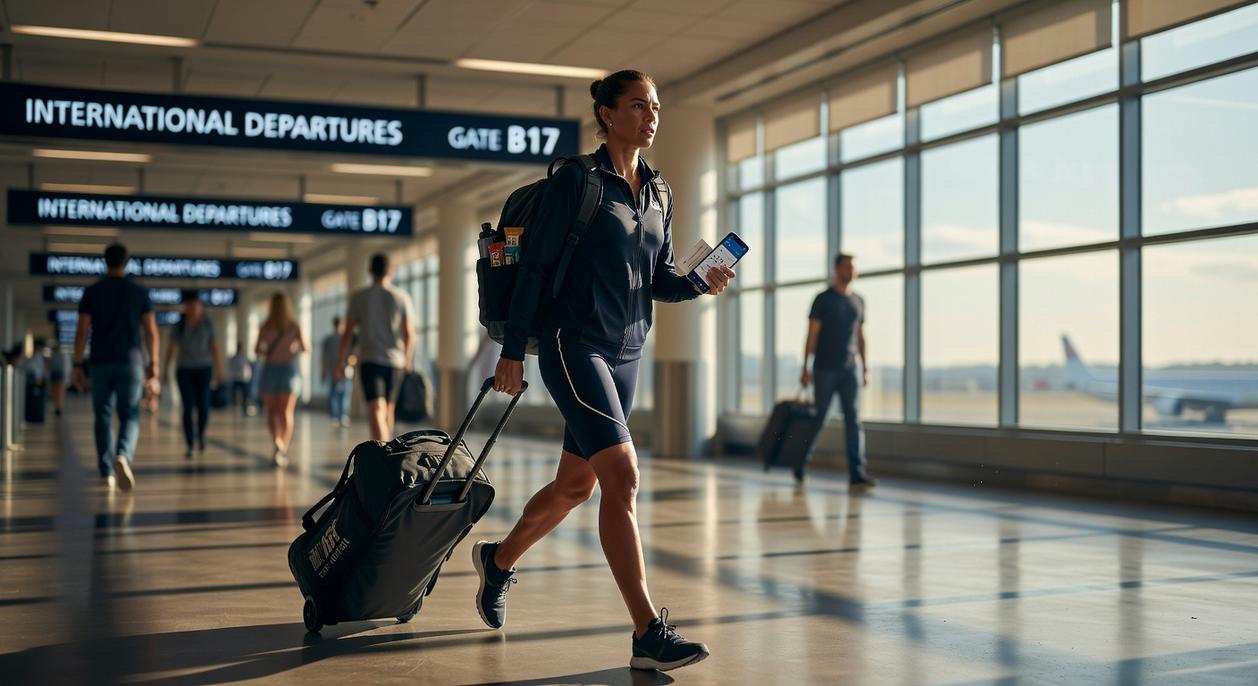
First, consider the choice between charter and commercial flights. Charter travel gives teams full control over departure times, security, and even in‑flight meals tailored to nutrition plans. That flexibility reduces fatigue and protects player recovery (a competitive edge that rarely shows up in the box score). Commercial travel, on the other hand, is more affordable and sometimes necessary for smaller leagues. However, layovers, delays, and limited cargo space can disrupt preparation. Understanding these tradeoffs helps fans and analysts better grasp how travel demands in professional sports directly influence performance.
Equipment and Cargo: Moving a Mobile Training Facility
Next comes the gear. Teams transport custom-fitted uniforms, biometric tracking devices (wearable tech that monitors performance), medical kits, and specialized training tools. The equipment manager coordinates packing manifests, shipping timelines, and locker room setup. When done well, players step into a seamless environment—no distractions, just focus.
Accommodations and Itineraries: Precision Planning Pays Off
Finally, hotels must meet security standards, dietary needs, and proximity to practice facilities. A meticulously planned itinerary maximizes rest and preparation, which can mitigate issues highlighted in how schedule density affects fair league competition. Ultimately, smart logistics translate into fresher legs, sharper execution, and a measurable competitive advantage.
Peak Condition on the Road: Health and Performance Protocols
Staying game-ready while traveling isn’t luck—it’s logistics, science, and discipline working together.
Medical Clearances and Vaccinations
First and foremost, pre-travel physicals ensure athletes are cleared for high-intensity competition. A medical clearance is a physician’s formal approval that confirms an athlete can safely perform. For international events, updated immunizations are equally critical. Different countries carry different health risks, and falling ill abroad can derail weeks of preparation (and a season’s momentum). According to the CDC, routine and destination-specific vaccines significantly reduce preventable travel-related illnesses. The benefit? Fewer disruptions, faster recovery cycles, and peace of mind before tip-off.
Jet Lag and Sleep Science
Next comes circadian alignment. Jet lag disrupts the body’s internal clock—your circadian rhythm—which regulates sleep, hormones, and reaction time. Teams now use light therapy, timed melatonin, and adjusted meal schedules to reset that clock quickly. Research published in Sleep Medicine Reviews shows strategic light exposure can accelerate adaptation to new time zones. The upside is clear: sharper focus, quicker reflexes, and fewer sluggish first quarters. Considering the travel demands in professional sports, mastering sleep science isn’t optional—it’s competitive leverage.
Nutrition and Hydration
Meanwhile, performance fueling travels too. Team nutritionists coordinate with hotel chefs or bring traveling chefs to ensure balanced macronutrients—proteins, carbohydrates, and fats—are optimized for recovery and energy output. Proper hydration maintains plasma volume, which supports endurance and cognitive sharpness. In simple terms: better fuel equals better fourth-quarter legs.
Anti-Doping Compliance
Finally, strict adherence to WADA regulations protects both eligibility and reputation. Supplements, medications, even cold remedies must comply globally. The reward? Competing confidently, knowing preparation—not penalties—defines the outcome.
Staying Safe and Compliant: Security and League Mandates
Personal Security Details
High-profile athletes rarely travel alone. Personal or team-provided security reduces exposure to theft, harassment, or targeted incidents—especially in unfamiliar cities (visibility attracts attention, not always the good kind). Beyond bodyguards, this can include secure transportation corridors and hotel floor controls.
League-Specific Rules
Leagues like the NBA, NFL, and FIFA enforce curfews, approved activities, and structured media windows. These policies aren’t restrictive for show; they protect player readiness and brand integrity.
Cultural Awareness
Pre-travel briefings cover local customs and laws to prevent missteps. Overlooking travel demands in professional sports creates competitive vulnerabilities competitors rarely address.
Managing travel is the invisible engine behind championships. Studies from the Journal of Sports Sciences show that disrupted sleep and jet lag can reduce reaction time by up to 30%. That margin decides playoff games. The reality of travel demands in professional sports means elite teams treat logistics like game film.
Championship travel pillars:
- Legal documentation handled early to avoid costly delays
- Precise logistics that protect recovery windows
- Health management plans for hydration and circadian rhythm
- Security protocols that limit distractions
NBA teams invest in performance travel staff, and data shows improved back-to-back win rates. Master the move, gain edge.
Elevate Your Game Beyond the Final Whistle
You came here to better understand the strategies, performance trends, and competitive dynamics shaping today’s basketball landscape. Now you have a clearer picture of how pro game tactics evolve, how teams adjust across a long season, and how factors like travel demands in professional sports impact consistency, recovery, and execution on the court.
The reality is that small strategic edges separate contenders from pretenders. Missed adjustments, poor conditioning, or failing to account for schedule fatigue can derail even the most talented roster. That’s the pain point every serious player, coach, and fan faces—staying ahead in a game that never slows down.
Act on what you’ve learned. Study performance patterns. Apply smarter drills. Analyze matchups with intention. The teams that win are the ones that prepare with purpose.
If you want deeper breakdowns, advanced strategy insights, and proven drills trusted by serious basketball minds, tap into our expert analysis today. We’re one of the fastest-growing sources for competitive basketball insights—built for players and fans who refuse to settle. Dive in now and take your understanding of the game to the next level.
 Head of Skills & Drills
With a focus on technical mastery, Evanistera develops the specialized basketball drills that help players sharpen their mechanics and dominate Fare League competition through superior muscle memory and specialized court awareness training. Her curriculum is widely recognized for its ability to isolate specific player weaknesses and transform them into elite-level strengths, fostering a generation of athletes who move with purpose, precision, and the relentless drive required to excel at the highest professional tiers. Beyond the physical aspects of the game, she integrates psychological conditioning into her training programs, ensuring that every athlete is mentally prepared to handle the intense pressure and scrutiny of the professional basketball spotlight.
Head of Skills & Drills
With a focus on technical mastery, Evanistera develops the specialized basketball drills that help players sharpen their mechanics and dominate Fare League competition through superior muscle memory and specialized court awareness training. Her curriculum is widely recognized for its ability to isolate specific player weaknesses and transform them into elite-level strengths, fostering a generation of athletes who move with purpose, precision, and the relentless drive required to excel at the highest professional tiers. Beyond the physical aspects of the game, she integrates psychological conditioning into her training programs, ensuring that every athlete is mentally prepared to handle the intense pressure and scrutiny of the professional basketball spotlight.