

I know you’re looking for information about transgender people in Sri Lanka. It’s a complex topic, and I’m here to give you a clear and respectful overview. The goal is to help you understand the lives, challenges, and resilience of the transgender community there.
Gender identity in South Asia has its own unique context, and it’s important to get that right. We’ll dive into the legal landscape, social acceptance, and support systems available. First things first, though: understanding the correct terminology is key.
Let’s start with that.
Terminology and Identity: A Guide to Respectful Language
Let’s start with the basics. Transgender is an umbrella term for people whose gender identity differs from the sex they were assigned at birth. Simple, right?
Now, you might have come across the term shemale. While it’s used in some contexts, it’s often considered derogatory and objectifying within the trans community. It’s best to avoid it.
Instead, use terms like transgender woman or trans woman. These terms respect a person’s identity and are more widely accepted.
In Sri Lanka, you might hear terms like napumsaka in historical texts. More contemporary Sinhala or Tamil slang can vary. Some terms are neutral, some are reclaimed, and others are derogatory.
It’s important to be aware of the context and connotations.
The transgender community is diverse. Not everyone’s experience is the same. One person’s preferred terms might not be another’s.
Using correct, respectful language is crucial. It shows that you understand and support the community.
Pro tip: When in doubt, ask. If you’re unsure about someone’s preferred terms, it’s okay to ask respectfully. This way, you can be sure you’re using the right words.
The Legal and Social Landscape for Transgender Sri Lankans
Imagine living in a world where the very laws meant to protect you feel like chains. That’s the reality for many transgender individuals in Sri Lanka.
The legal status of transgender people in Sri Lanka is murky at best. There’s no clear, straightforward process for legally changing one’s name and gender on official documents like passports and national identity cards.
This lack of clarity can make everyday life a bureaucratic nightmare.
Sri Lanka’s colonial-era laws, such as Section 365A of the Penal Code, have historically been used to target the broader LGBTQ+ community. These laws are like a dark cloud, always looming, ready to pour down at any moment.
Transgender people often face significant challenges and discrimination in areas like employment, housing, and healthcare. It’s like being in a race where the track is uneven, and the hurdles keep getting higher.
In urban centers like Colombo, societal attitudes might be more accepting, but in rural areas, it’s a different story. Think of it as a patchwork quilt—some parts are warm and welcoming, while others are cold and harsh.
Recently, there have been some legal reforms and landmark court cases that offer a glimmer of hope. For instance, the recognition of srilanka shemale identities in certain contexts is a small but significant step forward. srilanka shemale
These changes are like the first rays of sunlight after a long, dark night. They show that progress, though slow, is possible.
Community, Support Networks, and Advocacy
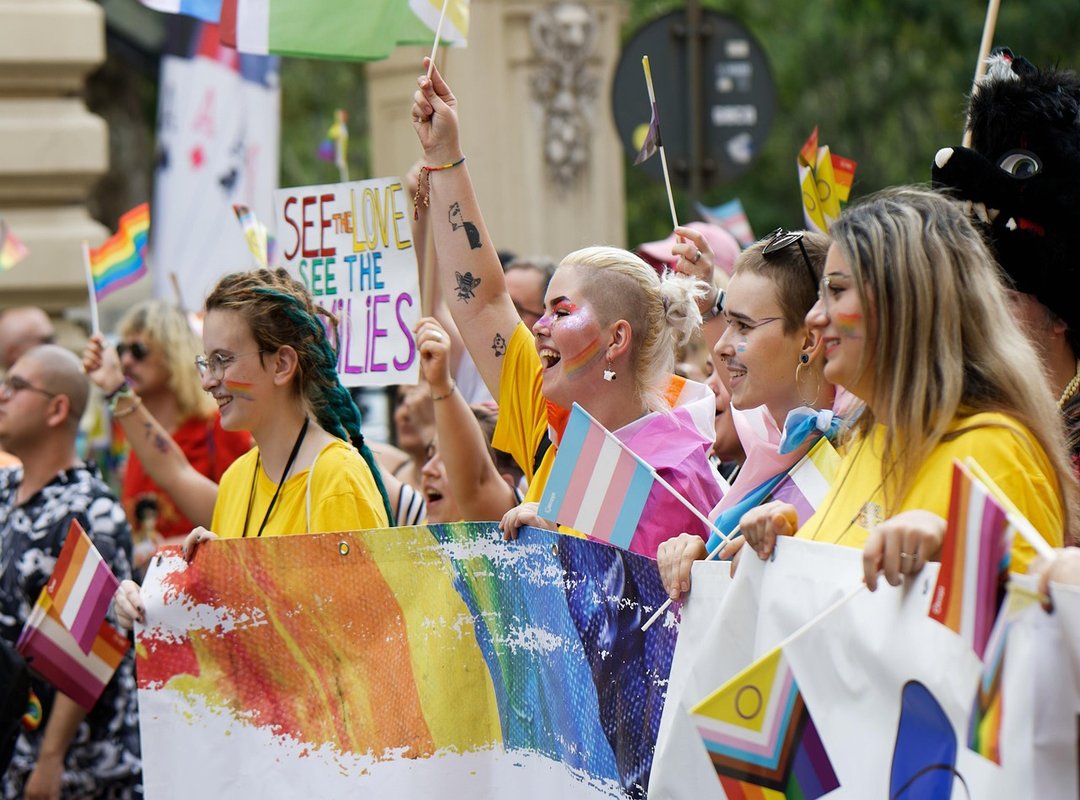
In Sri Lanka, the transgender community faces a lot of challenges. But there are key organizations that step up to provide essential support.
Equal Ground is one such group. They offer counseling, health services, and legal aid. These services are crucial for srilanka shemale and other transgender individuals who often face discrimination.
Community-building events are also a big part of what these organizations do. They create safe spaces where people can connect and feel a sense of belonging. This is more important than you might think.
It’s about having a place where you can be yourself without fear.
Activism plays a huge role too. Activists raise awareness and push for greater social acceptance and legal protections. Their work is vital in changing public perceptions and policies.
Online communities and social media are game-changers. They help transgender people across the island stay connected. It’s like having a support network right at your fingertips.
Pride celebrations and Transgender Day of Remembrance observances are examples of community-led initiatives. These events bring people together and highlight the importance of visibility and remembrance.
Without these organizations and their tireless efforts, many transgender individuals would be left without the support they need.
Navigating Daily Life and Finding Inclusive Spaces
Daily life for transgender people in Sri Lanka is a mix of resilience and community. Many face challenges but find strength in their personal networks of friends and chosen family.
Certain areas, particularly in larger cities, may have more visibility and a greater number of inclusive cafes, art spaces, or community centers. These places can be a lifeline, offering a sense of belonging and safety.
Safety and discretion are crucial for many in the community when navigating public spaces. It’s not always easy, but having safe spots makes a big difference.
For travelers or visitors, being a respectful ally means understanding and respecting local dynamics. Ask before assuming, and always prioritize the comfort and safety of the local transgender community.
srilanka shemale communities often rely on these inclusive spaces to connect and support each other. It’s a reminder that even in challenging environments, there are pockets of acceptance and solidarity.
Moving Forward with Understanding and Respect
The transgender community in Sri Lanka is a resilient group facing unique legal and social challenges. It’s crucial to use respectful terminology and understand the local context. srilanka shemale is a term that should be approached with sensitivity. Behind every search query are real people with complex lives, deserving of dignity and respect.
Seek out information from reputable advocacy groups. Listen to the voices of transgender Sri Lankans themselves. Show greater empathy, understanding, and support for transgender rights both in Sri Lanka and globally.
 There is a specific skill involved in explaining something clearly — one that is completely separate from actually knowing the subject. Rachel J. has both. They has spent years working with team performance breakdowns in a hands-on capacity, and an equal amount of time figuring out how to translate that experience into writing that people with different backgrounds can actually absorb and use.
Rachel tends to approach complex subjects — Team Performance Breakdowns, Insider Knowledge, Hot Topics in Sports being good examples — by starting with what the reader already knows, then building outward from there rather than dropping them in the deep end. It sounds like a small thing. In practice it makes a significant difference in whether someone finishes the article or abandons it halfway through. They is also good at knowing when to stop — a surprisingly underrated skill. Some writers bury useful information under so many caveats and qualifications that the point disappears. Rachel knows where the point is and gets there without too many detours.
The practical effect of all this is that people who read Rachel's work tend to come away actually capable of doing something with it. Not just vaguely informed — actually capable. For a writer working in team performance breakdowns, that is probably the best possible outcome, and it's the standard Rachel holds they's own work to.
There is a specific skill involved in explaining something clearly — one that is completely separate from actually knowing the subject. Rachel J. has both. They has spent years working with team performance breakdowns in a hands-on capacity, and an equal amount of time figuring out how to translate that experience into writing that people with different backgrounds can actually absorb and use.
Rachel tends to approach complex subjects — Team Performance Breakdowns, Insider Knowledge, Hot Topics in Sports being good examples — by starting with what the reader already knows, then building outward from there rather than dropping them in the deep end. It sounds like a small thing. In practice it makes a significant difference in whether someone finishes the article or abandons it halfway through. They is also good at knowing when to stop — a surprisingly underrated skill. Some writers bury useful information under so many caveats and qualifications that the point disappears. Rachel knows where the point is and gets there without too many detours.
The practical effect of all this is that people who read Rachel's work tend to come away actually capable of doing something with it. Not just vaguely informed — actually capable. For a writer working in team performance breakdowns, that is probably the best possible outcome, and it's the standard Rachel holds they's own work to.