
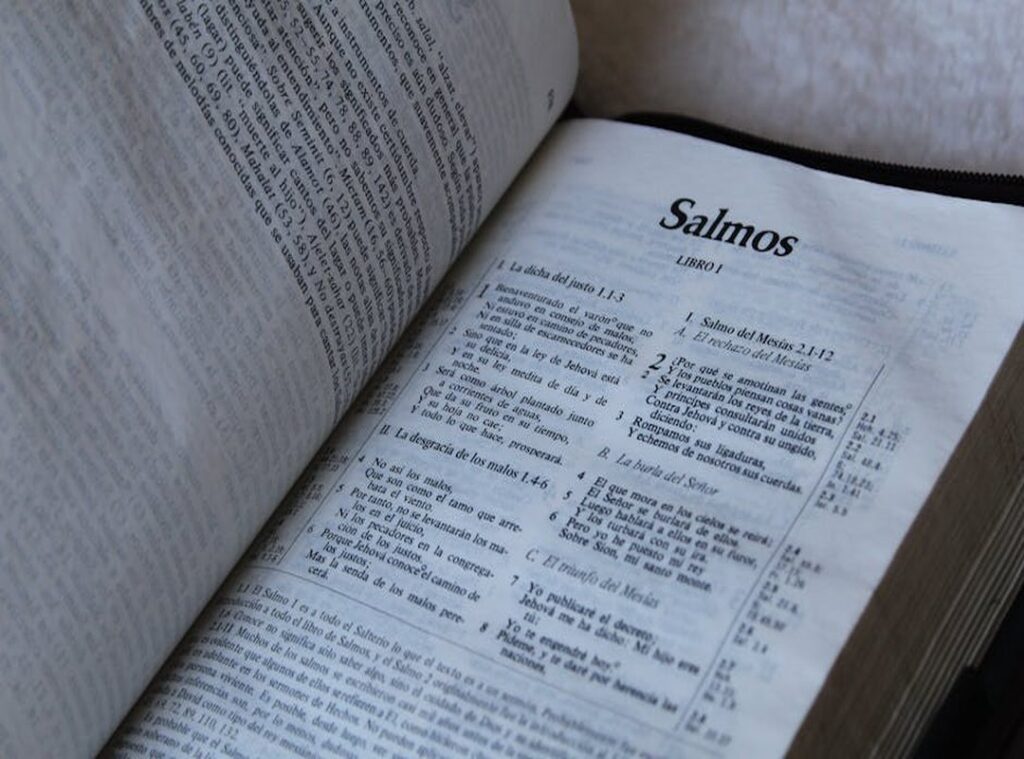
Making a mistake is part of being human. We all know that feeling, right? The weight of regret and the longing for forgiveness.
Salmo 51 na papiamentu captures this universal desire in a powerful way. It’s one of the most moving expressions of seeking mercy and renewal.
This psalm isn’t just about words on a page. It’s a deep plea for God’s mercy, a confession of sin, and a heartfelt cry for spiritual cleansing.
You’ll find the full text here, but it’s more than that. I want to give you a deeper understanding too. The historical context, key verses, and its significance within the Papiamento-speaking community.
The emotional weight of Salmo 51 is real. It was written from a place of profound personal failure and hope for redemption.
Let’s dive into it.
E Historia Tras di e Salmo Famoso di David
King David, a major figure in biblical history, had his fair share of triumphs and some pretty significant moral failings. Let’s just say he wasn’t always on his best behavior.
In 2 Samuel 11-12, we get the juicy details. David, being the king and all, saw Bathsheba, thought she was quite the catch, and decided to have an affair. But that’s not all.
To cover it up, he arranged for her husband, Uriah, to be killed. Talk about a royal mess.
Then comes the moment of truth. The prophet Nathan confronts David with a powerful parable. It’s like when your friend tells you a story, and you’re nodding along, but then BAM!
You realize it’s about you. David felt the guilt hit him like a ton of bricks.
Psalm 51 is widely understood as David’s direct response to this confrontation. It’s his personal, public prayer of confession and repentance. This context transforms the psalm from an abstract poem into a raw, personal, and relatable cry for help.
- David’s sin exposed by Nathan
- David’s profound guilt
- David’s heartfelt repentance
When you read salmo 51 na papiamentu, you can almost feel the weight of David’s words. It’s like he’s pouring out his heart, laying it all on the line. And that makes the psalm even more powerful.
Salmo 51: E Teksto Kompleto na Papiamentu
Aki ta e teksto komplete di Salmo 51 na Papiamentu, pa refleksyon i orashon personal.
1. Misericordia, Dios mihon, y grasia,
Por tu amor y tu verdadera justisia;
No me juzga con tu furia,
Ni me castiga con tu enojo.
2. Porque tus pecados son contra ti,
Y tú solo tienes la justicia;
Para que seas justificado cuando te juzgas,
Y puro cuando te condenas.
3. Porque yo reconozco mi pecado,
Y mi iniquidad está siempre ante mí;
He pecado contra ti,
Y he hecho lo que es malo a tus ojos.
4. Y has sido justo en tu juicio,
Y has hablado la verdad en tu sentencia;
Pero no me juzgues como merezco,
Ni me trates como mis pecados merecen.
5. Mira, nací en el pecado,
Y mi madre me concibió en la iniquidad;
Pero tú, oh Dios, eres clemente y misericordioso,
Lento para enojarte y rico en amor.
6. Lávame, oh Dios, de mi iniquidad,
Y limpia todos mis pecados;
Porque yo reconozco mi iniquidad,
Y mi pecado está siempre ante mí.
7. Contra ti, contra ti solamente, he pecado,
Y he hecho lo que es malo a tus ojos;
Para que seas justificado cuando te juzgas,
Y puro cuando te condenas.
8. Mira, nací en el pecado,
Y mi madre me concibió en la iniquidad;
Pero tú, oh Dios, eres clemente y misericordioso,
Lento para enojarte y rico en amor.
9. Lávame, oh Dios, de mi iniquidad,
Y limpia todos mis pecados;
Porque yo reconozco mi iniquidad,
Y mi pecado está siempre ante mí.
10. Crea en mí, oh Dios, un corazón limpio,
Y renueva un espíritu recto dentro de mí;
No me eches de tu presencia,
Y no me quites tu santo espíritu.
11. Restitúyeme la alegría de tu salvación,
Y dale a mi espíritu una voluntad dispuesta;
Entonces enseñaré a los impíos tus caminos,
Y ellos volverán a ti.
12. Líbrame del derramamiento de sangre, oh Dios,
Dios de mi salvación;
Y mi lengua cantará tu justicia;
Señor, abre mis labios,
Y mi boca anunciará tu alabanza.
13. Porque no quieres sacrificio,
O lo recibirías;
No te agrada holocausto,
Si lo ofreciera, no lo aceptarías.
14. El sacrificio de Dios es un espíritu quebrantado,
Un corazón quebrantado y humillado,
Oh Dios, no lo desprecias.
15. Haz bien a Sion en tu bondad,
Edifica los muros de Jerusalén;
Entonces te agradecerás sacrificios de justicia,
Ofrecerán holocaustos, y se cumplirán tus votos.
16. Entonces Dios aceptará los sacrificios de justicia,
El holocausto, y se cumplirán tus votos.
17. Entonces Dios aceptará los sacrificios de justicia,
El holocausto, y se cumplirán tus votos.
18. Entonces Dios aceptará los sacrificios de justicia,
El holocausto, y se cumplirán tus votos.
19. Entonces Dios aceptará los sacrificios de justicia,
El holocausto, y se cumplirán tus votos.
20. Entonces Dios aceptará los sacrificios de justicia,
El holocausto, y se cumplirán tus votos.
21. Entonces Dios aceptará los sacrificios de justicia,
El holocausto, y se cumplirán tus votos.
22. Entonces Dios aceptará los sacrificios de justicia,
El holocausto, y se cumplirán tus votos.
23. Entonces Dios aceptará los sacrificios de justicia,
El holocausto, y se cumplirán tus votos.
24. Entonces Dios aceptará los sacrificios de justicia,
El holocausto, y se cumplirán tus votos.
25. Entonces Dios aceptará los sacrificios de justicia,
El holocausto, y se cumplirán tus votos.
26. Entonces Dios aceptará los sacrificios de justicia,
El holocausto, y se cumplirán tus votos.
27. Entonces Dios aceptará los sacrificios de justicia,
El holocausto, y se cumplirán tus votos.
28. Entonces Dios aceptará los sacrificios de justicia,
El holocausto, y se cumplirán tus votos.
29. Entonces Dios aceptará los sacrificios de justicia,
El holocausto, y se cumplirán tus votos.
30. Entonces Dios aceptará los sacrificios de justicia,
El holocausto, y se cumplirán tus votos.
31. Entonces Dios aceptará los sacrificios de justicia,
El holocausto, y se cumplirán tus votos.
32. Entonces Dios aceptará los sacrificios de justicia,
El holocausto, y se cumplirán tus votos.
33. Entonces Dios aceptará los sacrificios de justicia,
El holocausto, y se cumplirán tus votos.
34. Entonces Dios aceptará los sacrificios de justicia,
El holocausto, y se cumplirán tus votos.
35. Entonces Dios aceptará los sacrificios de justicia,
El holocausto, y se cumplirán tus votos.
36. Entonces Dios aceptará los sacrificios de justicia,
El holocausto, y se cumplirán tus votos.
37. Entonces Dios aceptará los sacrificios de justicia,
El holocausto, y se cumplirán tus votos.
38. Entonces Dios aceptará los sacrificios de justicia,
El holocausto, y se cumplirán tus votos.
39. Entonces Dios aceptará los sacrificios de justicia,
El holocausto, y se cumplirán tus votos.
40. Entonces Dios aceptará los sacrificios de justicia,
El holocausto, y se cumplirán tus votos.
41. Entonces Dios aceptará los sacrificios de justicia,
El holocausto, y se cumplirán tus votos.
42. Entonces Dios aceptará los sacrificios de justicia,
El holocausto, y se cumplirán tus votos.
43. Entonces Dios aceptará los sacrificios de justicia,
El holocausto, y se cumplirán tus votos.
44. Entonces Dios aceptará los sacrificios de justicia,
El holocausto, y se cumplirán tus votos.
45. Entonces Dios aceptará los sacrificios de justicia,
El holocausto, y se cumplirán tus votos.
46. Entonces Dios aceptará los sacrificios de justicia,
El holocausto, y se cumplirán tus votos.
47. Entonces Dios aceptará los sacrificios de justicia,
El holocausto, y se cumplirán tus votos.
48. Entonces Dios aceptará los sacrificios de justicia,
El holocausto, y se cumplirán tus votos.
49. Entonces Dios aceptará los sacrificios de justicia,
El holocausto, y se cumplirán tus votos.
50. Entonces Dios aceptará los sacrificios de justicia,
El holocausto, y se cumplirán tus votos.
51. Entonces Dios aceptará los sacrificios de justicia,
El holocausto, y se cumplirán tus votos.
52. Entonces Dios aceptará los sacrificios de justicia,
El holocausto, y se cumplirán tus votos.
53. Entonces Dios aceptará los sacrificios de justicia,
El holocausto, y se cumplirán tus votos.
54. Entonces Dios aceptará los sacrificios de justicia,
El holocausto, y se cumplirán tus votos.
55. Entonces Dios aceptará los sacrificios de justicia,
El holocausto, y se cumplirán tus votos.
56. Entonces Dios aceptará los sacrificios de justicia,
El holocausto, y se cumplirán tus votos.
57. Entonces Dios aceptará los sacrificios de justicia,
El holocausto, y se cumplirán tus votos.
58. Entonces Dios aceptará los sacrificios de justicia,
El holocausto, y se cumplirán tus votos.
59. Entonces Dios aceptará los sacrificios de justicia,
El holocausto, y se cumplirán tus votos.
60. Entonces Dios aceptará los sacrificios de justicia,
El holocausto, y se cumplirán tus votos.
61. Entonces Dios aceptará los sacrificios de justicia,
El holocausto, y se cumplirán tus votos.
62. Entonces Dios aceptará los sacrificios de justicia,
El holocausto, y se cumplirán tus votos.
63. Entonces Dios aceptará los sacrificios de justicia,
El holocausto, y se cumplirán tus votos.
64. Entonces Dios aceptará los sacrificios de justicia,
El holocausto, y se cumplirán tus votos.
65. Entonces Dios aceptará los sacrificios de justicia,
El holocausto, y se cumplirán tus votos.
66. Entonces Dios aceptará los sacrificios de justicia,
El holocausto, y se cumplirán tus votos.
67. Entonces Dios aceptará los sacrificios de justicia,
El holocausto, y se cumplirán tus votos.
**68
Desglosando e Versíkulonan Klave di Salmo 51 na Papiamentu
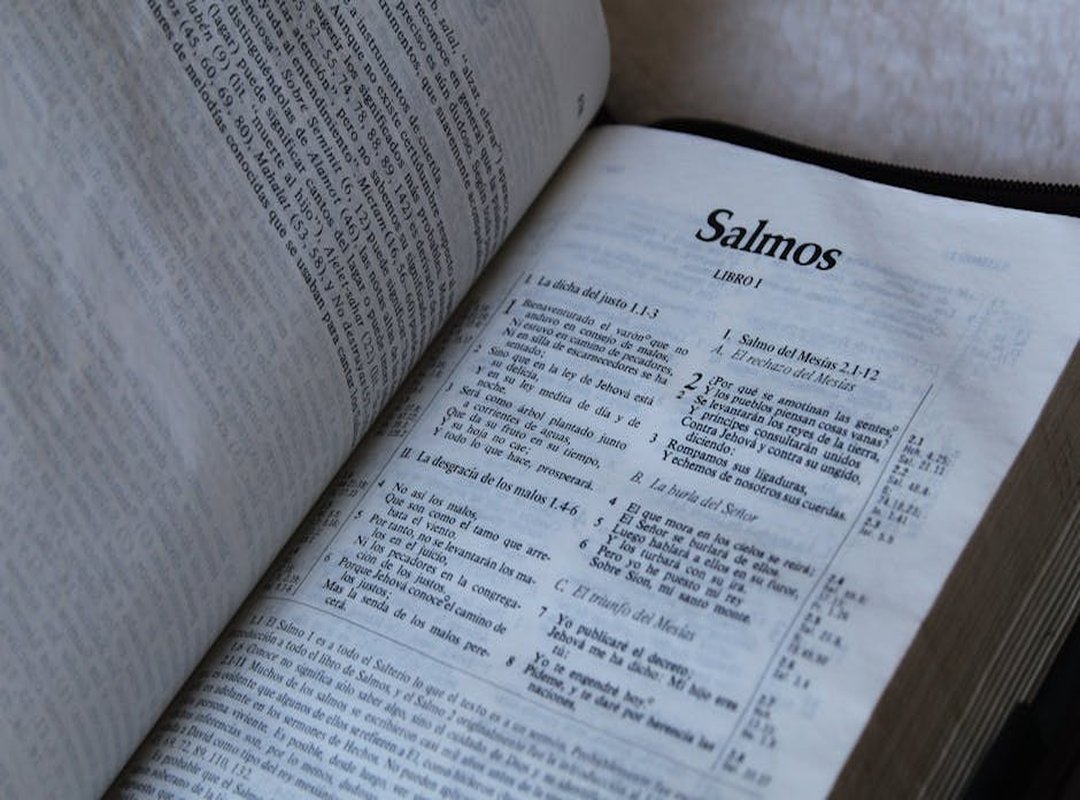
- “Krea den mi un kurason puru, o Dios, y un espiritu nuu firme dentro di mi.” (Salmo 51:10)
This verse is a plea for inner transformation. A pure heart isn’t just about outward forgiveness; it’s a complete renewal from within. Imagine the feeling of a fresh start, like the first day of spring after a long, cold winter.
- “Lava mi kon tu bida, y yo ta bida di limpieza por causa di tu espresion.” (Salmo 51:11)
Here, the psalmist asks God to cleanse and renew. The imagery of being washed clean is powerful. It’s like stepping out of a hot shower, feeling refreshed and renewed, ready to face the world anew.
- “Konfesami diante di ti mi malu, y mi pecado ta kontra ti solamente.” (Salmo 51:4)
This verse acknowledges the gravity of sin. It’s a moment of deep reflection, like sitting in a quiet, dimly lit room, facing the truth with no distractions. The psalmist recognizes that their actions have primarily offended God, not just others.
- “Restaura mi, y yo ta restablese kon tu espiritu firme.” (Salmo 51:12)
The psalmist seeks restoration through God’s steadfast spirit. This spiritu firme is like a strong, steady wind that guides and strengthens. It’s the assurance that even after repentance, there’s a source of strength and guidance.
These verses from salmo 51 na papiamentu highlight the journey from guilt to restoration. They emphasize the need for a complete inner transformation, not just surface-level changes. The theological significance lies in the understanding that true renewal comes from God’s grace and the strength of His spirit.
This moves us from a place of shame and guilt to one of restored relationship and new life.
E Ròl di Salmo 51 den Kultura i Fe
Salmo 51 is like a healing balm in the spiritual life of people in Aruba, Bonaire, and Curaçao. You see it often during confession or Lent, where its words bring comfort and hope.
In personal devotion, folks turn to salmo 51 na papiamentu to express their deepest feelings. It’s like a conversation with God, where they lay bare their hearts and seek forgiveness.
The psalm has been set to music by local artists, making it part of the traditional church hymns. This musical expression connects it even more deeply to the local culture. It’s like a familiar melody that everyone knows and finds solace in.
Having this powerful scripture in Papiamento makes its message of mercy and divine love more accessible. It’s as if God is speaking directly in the language of the people, making the message feel more intimate and real.
During tough times, the community turns to this psalm for strength. It’s like a lighthouse guiding them through the darkest nights, reminding them that no matter what, there’s always a way back to grace.
E Poder Duradero di Pordon i Renobashon
Salmo 51 na papiamentu transmite un mensahe fundamental: tur kiermenta ta mes menor pa Dios si e renensia ta serka.
El Salmo ofrese un kamino eterno pa muda di un estado di rotura hasi un estado di kompletez, a traves di un konfesion onest.
E beleza di esaki mensahes universales ta ribeja na e lenguaje sinsero di Papiamento.
Invita e lector pa usa e palabra di Salmo 51 pa su propio refleksion.
Aki ta un oportunidat pa halba paz i renobashon.
 There is a specific skill involved in explaining something clearly — one that is completely separate from actually knowing the subject. Rachel J. has both. They has spent years working with team performance breakdowns in a hands-on capacity, and an equal amount of time figuring out how to translate that experience into writing that people with different backgrounds can actually absorb and use.
Rachel tends to approach complex subjects — Team Performance Breakdowns, Insider Knowledge, Hot Topics in Sports being good examples — by starting with what the reader already knows, then building outward from there rather than dropping them in the deep end. It sounds like a small thing. In practice it makes a significant difference in whether someone finishes the article or abandons it halfway through. They is also good at knowing when to stop — a surprisingly underrated skill. Some writers bury useful information under so many caveats and qualifications that the point disappears. Rachel knows where the point is and gets there without too many detours.
The practical effect of all this is that people who read Rachel's work tend to come away actually capable of doing something with it. Not just vaguely informed — actually capable. For a writer working in team performance breakdowns, that is probably the best possible outcome, and it's the standard Rachel holds they's own work to.
There is a specific skill involved in explaining something clearly — one that is completely separate from actually knowing the subject. Rachel J. has both. They has spent years working with team performance breakdowns in a hands-on capacity, and an equal amount of time figuring out how to translate that experience into writing that people with different backgrounds can actually absorb and use.
Rachel tends to approach complex subjects — Team Performance Breakdowns, Insider Knowledge, Hot Topics in Sports being good examples — by starting with what the reader already knows, then building outward from there rather than dropping them in the deep end. It sounds like a small thing. In practice it makes a significant difference in whether someone finishes the article or abandons it halfway through. They is also good at knowing when to stop — a surprisingly underrated skill. Some writers bury useful information under so many caveats and qualifications that the point disappears. Rachel knows where the point is and gets there without too many detours.
The practical effect of all this is that people who read Rachel's work tend to come away actually capable of doing something with it. Not just vaguely informed — actually capable. For a writer working in team performance breakdowns, that is probably the best possible outcome, and it's the standard Rachel holds they's own work to.