
If you’re looking for clear, actionable insights on today’s biggest basketball storylines, you’re in the right place. Fans and players alike want more than surface-level takes—they want to understand what’s really driving wins, losses, and breakout performances. This article dives into the key factors shaping recent results, from tactical adjustments and player efficiency to critical home vs away performance splits that often decide tight matchups.
Too often, analysis stops at the final score. Here, we go deeper—breaking down pro-level game strategies, evaluating team performance trends, and highlighting the drills and adjustments that translate directly from film study to on-court execution. Every insight is grounded in careful review of game data, matchup context, and league-wide patterns so you can trust the conclusions.
Whether you’re analyzing Fare League action, refining your basketball IQ, or looking for practical takeaways to improve your own game, this guide delivers focused, reliable insight built around what truly impacts performance.
The Numbers Don’t Lie: Quantifying the Performance Gap
When you break it down statistically, the gap between teams at home and on the road isn’t just noticeable—it’s measurable. Looking at home vs away performance splits, league data consistently shows higher Field Goal Percentage (FG%) and 3-Point Percentage (3P%) at home. For example, teams often shoot 1–2% better from the field and beyond the arc on their own floor (Source: NBA.com historical league averages). That might sound small, but over 90 possessions, that’s the difference between a tight finish and a two-possession cushion.
Then there’s Free Throw Attempts (FTA). Home teams typically draw more fouls, leading to extra points at the line. Meanwhile, turnovers trend lower at home, suggesting sharper decision-making—less “Shaqtin’ a Fool,” more controlled execution.
Historically, home teams win nearly 60% of games league-wide. That’s not random variance; that’s a structural edge. And when they win, they often win bigger. Average point differentials skew higher in home victories compared to road wins, showing that comfort translates into dominance.
Finally, pace matters. At home, teams dictate tempo—slowing it down for half-court efficiency or speeding it up like a fast-break montage straight out of a sports movie. Control the rhythm, control the result.
Psychological Warfare: The Invisible Factors at Play
Home-court advantage isn’t superstition—it’s psychology backed by data. Start with crowd noise. Researchers have found that arenas can exceed 100 decibels during playoff games, comparable to a chainsaw (Journal of Sports Sciences). That level of noise increases cognitive load, which refers to the mental effort required to process information. For visiting players, that means missed defensive rotations, blown play calls, and slower reaction times. In contrast, the home team feeds off the surge (momentum is real, even if it doesn’t show up in the box score immediately).
Then there’s territoriality and familiarity. Athletes are creatures of habit. The same locker room routine, the same sightlines, even the softness of the rim can subtly affect shooting touch. A 2018 study in Psychology of Sport and Exercise found players reported higher confidence and lower anxiety at home. That comfort translates into sharper execution—much like how offensive rating explains team success.
Subconscious referee bias adds another layer. Multiple analyses of NBA data show home teams consistently receive slightly more favorable foul differentials. A landmark study by Nevill et al. (2002) demonstrated that crowd noise alone influenced officials’ decisions when reviewing identical plays. Social pressure is powerful, even for trained professionals.
Finally, consider role players. Superstars travel well, but supporting players often show stronger home vs away performance splits. Freed from hostile chants and travel fatigue, they shoot with greater confidence and decisiveness. In tight games, that psychological edge can be the difference between a routine win and a season-defining loss.
The Physical Toll: Travel Fatigue and Routine Disruption
First, consider the science. Jet lag—a temporary sleep disorder caused by crossing time zones—disrupts the body’s circadian rhythm (its internal 24-hour clock). When that rhythm is off, reaction time slows, decision-making suffers, and energy levels dip. Studies show even mild sleep disruption can impair cognitive performance comparable to low-level alcohol intoxication (Sleep Foundation). In a league built on split-second reads, that matters.
Now compare the environments side-by-side:
- Home Routine: Own bed, consistent sleep schedule, home-cooked meals, familiar practice court.
- Road Reality: Late flights, hotel beds, different food options, unfamiliar sightlines in arenas.
At home, preparation feels controlled. On the road, it’s controlled chaos (and not the fun March Madness kind). That contrast shows up clearly in home vs away performance splits.
Furthermore, fatigue accumulates. A multi-game road trip compounds physical wear-and-tear, making the final matchup the toughest. Legs feel heavier, closeouts slower, shots flatter.
Recovery tells a similar story. At home, players access state-of-the-art recovery tools—customized treatment plans, cryotherapy, optimized nutrition. Away? Limited equipment, shared facilities, tighter timelines.
Some argue pros should adapt—after all, travel is part of the job. True. However, physiology doesn’t negotiate. Over time, disruption adds up, and the body always keeps score.
Strategic Adjustments: How Coaches Play the Venue
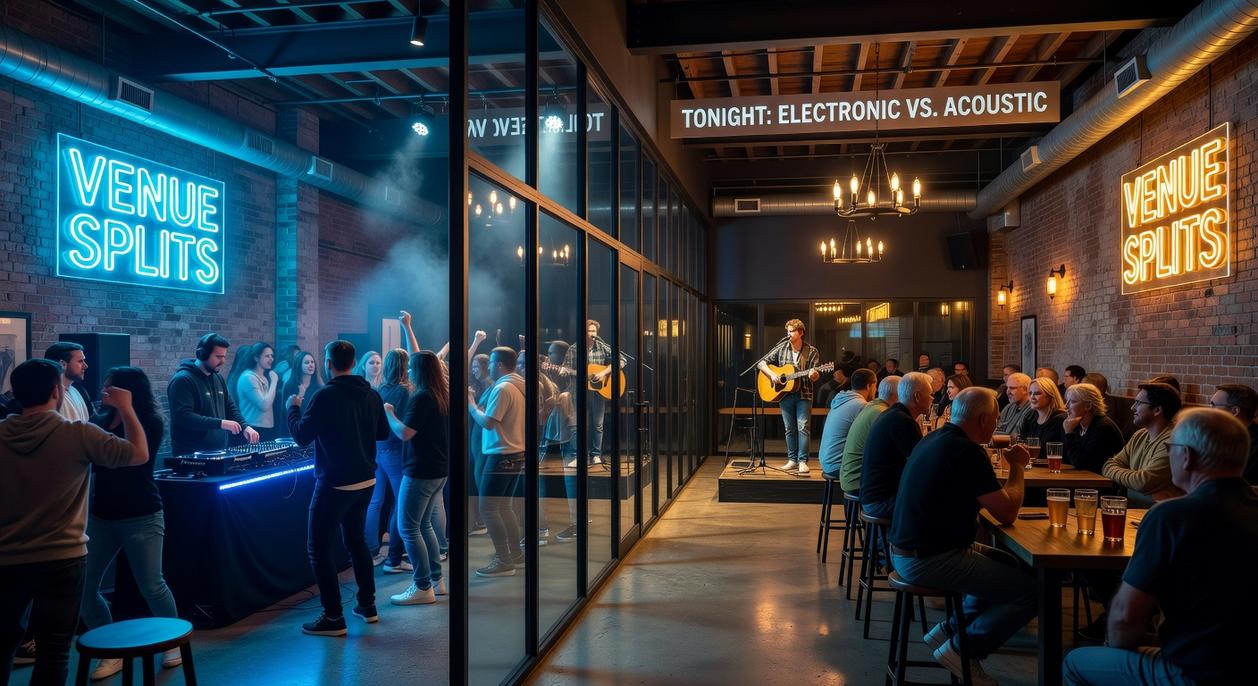
Conventional wisdom says home court is just about crowd noise. Not quite. At home, coaches often install layered offensive sets—actions stacked on top of counters—because communication is cleaner and timing sharper. Think of it like running a Broadway production instead of a garage rehearsal (less shouting, more precision). That said, some argue complexity wins anywhere. I disagree. On the road, simplicity travels.
In hostile arenas, visiting coaches trim the playbook and emphasize footwork, spacing, and ball security. Fewer reads mean fewer mistakes. It’s not boring—it’s efficient. Reviewing home vs away performance splits often reveals turnover spikes in loud buildings, which supports the back-to-basics approach.
Meanwhile, matchup advantages matter. With last change, home coaches can react to substitutions to hunt favorable pairings—forcing a slow-footed big into space, for example.
Finally, energy management shifts on long trips. Rotations tighten early to preserve legs late (pro tip: track fourth-quarter efficiency dips). Survive first, surge later.
Take Your Game Analysis to the Next Level
You came here looking for clarity—real insight into team performance, smarter strategy breakdowns, and a sharper understanding of what’s actually happening on the court. Now you’ve seen how trends, adjustments, and especially home vs away performance splits can completely change the way you evaluate matchups.
The biggest frustration for basketball fans and analysts alike is guessing instead of knowing. It’s tough to predict outcomes or improve performance when you’re missing the deeper context behind rotations, tempo shifts, and situational efficiency.
The solution is simple: keep studying the details that others ignore. Track performance patterns. Compare home vs away performance splits consistently. Apply strategic insights to your own analysis or training sessions.
If you’re serious about staying ahead, dive into more in-depth breakdowns, advanced game strategy insights, and performance-driven analysis. Join thousands of readers who rely on our basketball coverage to sharpen their edge. Don’t just watch the game—understand it. Start exploring the latest insights now and elevate the way you see basketball.
 Head of Skills & Drills
With a focus on technical mastery, Evanistera develops the specialized basketball drills that help players sharpen their mechanics and dominate Fare League competition through superior muscle memory and specialized court awareness training. Her curriculum is widely recognized for its ability to isolate specific player weaknesses and transform them into elite-level strengths, fostering a generation of athletes who move with purpose, precision, and the relentless drive required to excel at the highest professional tiers. Beyond the physical aspects of the game, she integrates psychological conditioning into her training programs, ensuring that every athlete is mentally prepared to handle the intense pressure and scrutiny of the professional basketball spotlight.
Head of Skills & Drills
With a focus on technical mastery, Evanistera develops the specialized basketball drills that help players sharpen their mechanics and dominate Fare League competition through superior muscle memory and specialized court awareness training. Her curriculum is widely recognized for its ability to isolate specific player weaknesses and transform them into elite-level strengths, fostering a generation of athletes who move with purpose, precision, and the relentless drive required to excel at the highest professional tiers. Beyond the physical aspects of the game, she integrates psychological conditioning into her training programs, ensuring that every athlete is mentally prepared to handle the intense pressure and scrutiny of the professional basketball spotlight.