
Highlight reels and box scores can be deceiving. A few explosive plays or inflated stats often hide weaknesses that get exposed at the next level, leading to costly projection errors. This guide reframes basketball scouting evaluation through a modern, systematic lens—one built on detailed film study, skill translation, decision-making patterns, and competitive intangibles. Drawing on proven evaluation frameworks used across high-level programs and in-depth game analysis, we break down how to separate surface production from pro-ready traits. You’ll learn a clear, structured process to assess mechanics, instincts, adaptability, and impact—so you can identify which players will truly elevate a team.
The Three Dimensions of a Prospect: Tools, IQ, and Motor
Every serious basketball scouting evaluation eventually comes down to three pillars: tools, IQ, and motor. Miss one, and you’re projecting hope instead of production.
Physical Tools (The “What”)
Fans obsess over height and wingspan. That’s lazy. Functional athleticism—how athleticism shows up in real game situations—is what translates. Can a guard absorb contact in traffic and still finish? Does a forward have lateral quickness to switch defensively without looking like he’s guarding in quicksand? First-step explosiveness matters, but so does stamina late in the fourth (when jumpers suddenly get short). Raw traits are enticing, but tools without application are just combine numbers.
Basketball IQ (The “Why”)
Some argue instinct can’t be taught, so don’t overthink it. I disagree. Decision-making speed under pressure separates playoff contributors from empty-stat scorers. Watch pick-and-roll reads: does the ball handler manipulate the weak-side defender or predetermine the pass? High-IQ players see the chessboard, not just their matchup.
- Processes help defense travel.
- Anticipation creates “lucky” steals.
Motor & Mentality (The “How”)
Talent gets drafted. Motor gets paid. Effort on both ends, communication, diving for loose balls in the first and fourth quarter—these are non-negotiable. When adversity hits, does the player sulk or sprint back on defense? (You can learn a lot in 10 seconds.)
Deconstructing Offensive Production: A Granular Analysis
When I evaluate scoring, I start with Shooting Mechanics & Versatility. Percentages can lie; mechanics rarely do. Shot preparation—meaning the footwork and balance before the ball even leaves the hand—often tells you more than a box score. Is the player hopping into shots off the catch, or stepping cleanly into space? Release point consistency (how repeatable the ball’s launch position is) separates streaky shooters from dependable ones. In my view, true offensive value shows up when a player can create off the dribble and threaten defenses moving without the ball—think of guards who sprint off pindown screens like something out of a playoff montage.
Transitioning to Ball Handling & Playmaking, I care less about flashy crossovers and more about functional dribbles. Can they change pace, use both hands, and withstand pressure without picking up the ball? Advanced reads—like skip passes to the weak side—signal processing speed, not just flair. This is where a thorough basketball scouting evaluation becomes essential. And frankly, many young guards overestimate their handle until they face real defensive heat (it’s different when the trap actually bites).
Finally, Finishing at the Rim defines toughness. Crafty layups, floaters over length, and absorbing contact matter more than highlight dunks. Do they avoid contact, or seek it? In my opinion, embracing contact is a skill. For deeper context on how pros sharpen these details, study inside nba training camp daily routines (https://sffarebasketball.net/inside-nba-training-camp-daily-routines/). The rim doesn’t reward hesitation—and neither should we in our evaluations.
Gauging Defensive Value and Game-Winning Impact

Start With What Travels: Defense
First and foremost, evaluate On-Ball Defense, because it’s the foundation of any reliable stopper. Watch the defender’s stance—are they low, balanced, and active? Hip fluidity (the ability to swivel and change direction smoothly) is critical when containing shifty guards. Moreover, discipline matters just as much as athleticism. Can they slide without reaching? Do they fight over screens instead of dying on contact? In today’s switch-heavy game, navigating on-ball screens is non‑negotiable.
That said, great defenders separate themselves away from the ball. Off-Ball & Team Defense often decides playoff games. Pay attention when they’re not in the highlight. Are they in proper help position (one pass away, gap loaded)? Do they communicate switches early? Just as importantly, do they close out under control, chopping their steps instead of flying by shooters? (Nothing deflates a defense faster than a reckless closeout.)
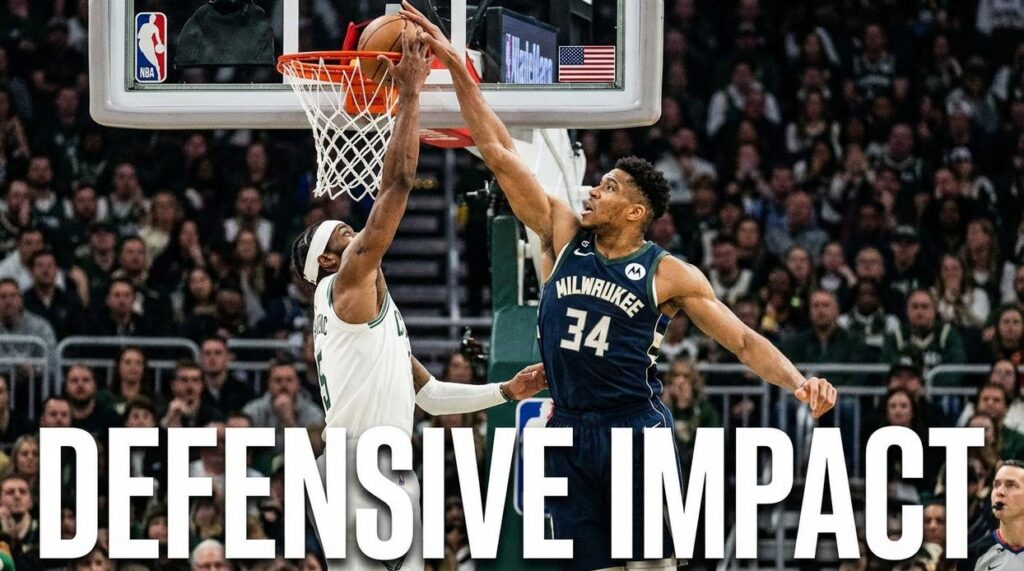
Next, consider Rebounding & Rim Protection. For forwards and centers, positioning and boxing out outweigh pure vertical leap. Athletic rebounds look good; fundamental ones win possessions. Can they contest vertically—arms straight up—without fouling? Guards, meanwhile, should contribute through gang rebounding, especially in long-shot situations.
If you’re doing a basketball scouting evaluation, prioritize players who impact multiple defensive phases, not just steals or blocks. Pro tip: track deflections and contested shots; they reveal effort that box scores miss.
Ultimately, choose defenders who think the game. Defense isn’t just reaction—it’s anticipation.
Context is King: Evaluating the Player Within Their System*
Great numbers can lie. Role and usage rate—how often a player finishes possessions—shape everything. A volume scorer on a lottery team may post 25 points on shaky efficiency, while a fifth option on a contender impacts winning without gaudy stats (box scores rarely tell the whole story).
- Primary vs. complementary role: Does their shot diet scale on a playoff team?
- Efficiency under pressure: How do they perform against elite defenders?
- Coaching ecosystem: Is development structured or survival-based?
True basketball scouting evaluation weighs context, competition, and scheme fit—because projecting talent without system awareness is like judging a fish by its tree-climbing ability.
Building the Complete Player Profile for a Winning Edge
A true basketball scouting evaluation blends physical tools, basketball IQ, offensive and defensive skill sets, and the environment shaping a player’s decisions. When you connect all four, you see impact—not illusion.
The biggest mistake in scouting is falling in love with one-dimensional talent or empty statistics that don’t translate to winning. Box scores can lie. Habits, awareness, and consistency rarely do.
This holistic lens gives you a real competitive edge by identifying players who elevate teams, not just their numbers.
Next game, watch one player for five straight possessions without following the ball. You’ll quickly uncover their motor, off-ball instincts, and true influence on winning.
 There is a specific skill involved in explaining something clearly — one that is completely separate from actually knowing the subject. Rachel J. has both. They has spent years working with team performance breakdowns in a hands-on capacity, and an equal amount of time figuring out how to translate that experience into writing that people with different backgrounds can actually absorb and use.
Rachel tends to approach complex subjects — Team Performance Breakdowns, Insider Knowledge, Hot Topics in Sports being good examples — by starting with what the reader already knows, then building outward from there rather than dropping them in the deep end. It sounds like a small thing. In practice it makes a significant difference in whether someone finishes the article or abandons it halfway through. They is also good at knowing when to stop — a surprisingly underrated skill. Some writers bury useful information under so many caveats and qualifications that the point disappears. Rachel knows where the point is and gets there without too many detours.
The practical effect of all this is that people who read Rachel's work tend to come away actually capable of doing something with it. Not just vaguely informed — actually capable. For a writer working in team performance breakdowns, that is probably the best possible outcome, and it's the standard Rachel holds they's own work to.
There is a specific skill involved in explaining something clearly — one that is completely separate from actually knowing the subject. Rachel J. has both. They has spent years working with team performance breakdowns in a hands-on capacity, and an equal amount of time figuring out how to translate that experience into writing that people with different backgrounds can actually absorb and use.
Rachel tends to approach complex subjects — Team Performance Breakdowns, Insider Knowledge, Hot Topics in Sports being good examples — by starting with what the reader already knows, then building outward from there rather than dropping them in the deep end. It sounds like a small thing. In practice it makes a significant difference in whether someone finishes the article or abandons it halfway through. They is also good at knowing when to stop — a surprisingly underrated skill. Some writers bury useful information under so many caveats and qualifications that the point disappears. Rachel knows where the point is and gets there without too many detours.
The practical effect of all this is that people who read Rachel's work tend to come away actually capable of doing something with it. Not just vaguely informed — actually capable. For a writer working in team performance breakdowns, that is probably the best possible outcome, and it's the standard Rachel holds they's own work to.