
The game doesn’t stop at the buzzer anymore. In 2026, technology is reshaping how athletes train, how coaches strategize, and how fans experience every play. But with innovation moving at breakneck speed, it’s tough to separate true competitive advantages from overhyped gadgets. This breakdown of sports technology trends 2026 cuts through the noise, spotlighting the tools and systems that are measurably improving performance and decision-making on the court and field. Drawing on close analysis of professional league data and real-world applications, we’ll explore what’s actually changing the game—and what’s just along for the ride.
The Digital Athlete: Real-Time Biometrics and Injury Prevention
Beyond Heart Rate
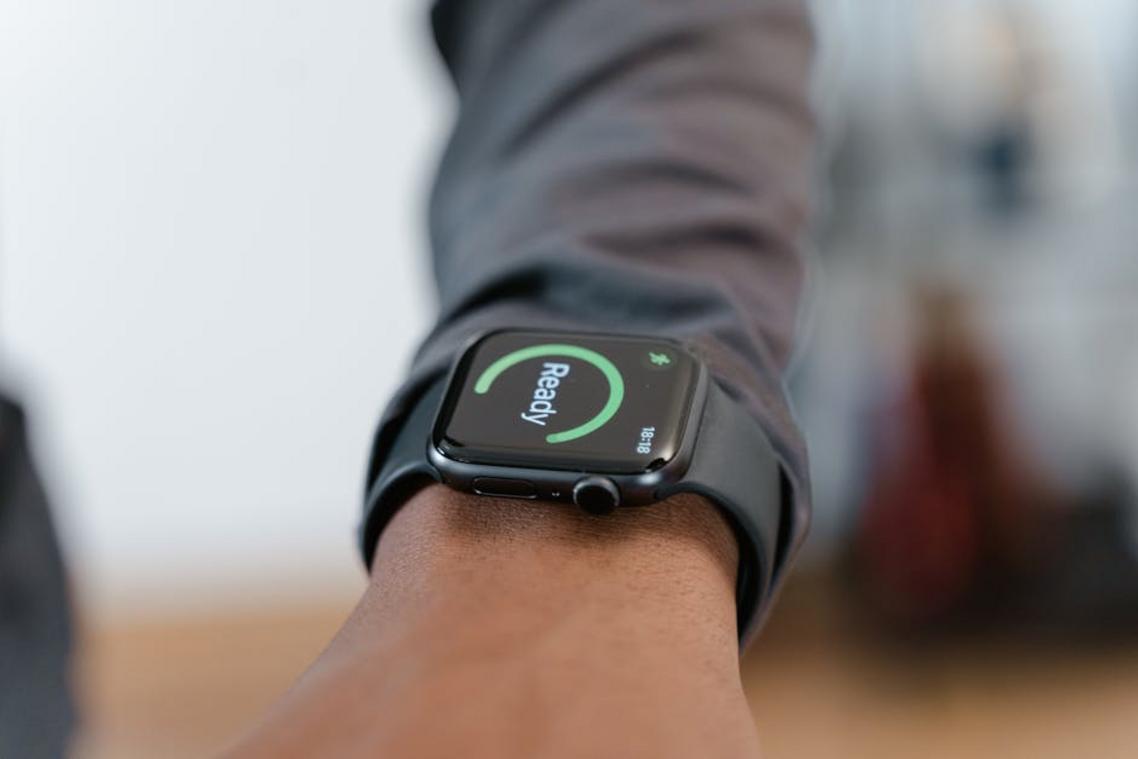
Heart rate monitors used to feel cutting-edge. Now they’re just the warm-up act. Today’s elite programs deploy wearable sensors that track muscle oxygenation (how efficiently muscles use oxygen during exertion), hydration levels, and neural load—the cumulative stress placed on the nervous system during explosive movement. In simple terms, teams can see fatigue building before an athlete feels it.
What’s in it for players and coaches? FEWER GUESSWORK decisions. MORE PEAK PERFORMANCE windows. When a dashboard shows declining muscle saturation mid-game, staff can intervene before a hamstring strain turns into a three-week absence.
The Proactive Coach
This data streams instantly to sideline tablets, turning intuition into actionable strategy. Coaches can preempt fatigue-related slumps with precision substitutions. Instead of reacting to visible exhaustion, they respond to measurable thresholds.
Some skeptics argue this overcomplicates the game (“just let them play”). But when millions are invested in player health, real-time biometrics become a competitive edge—not a luxury. Pro teams adopting sports technology trends 2026 aren’t chasing gadgets; they’re protecting availability, the TRUE currency of a long season.
Basketball Application
In high-paced leagues, minute management is now scientific. Staff monitor cumulative neural load to ensure stars peak in closing stretches. Think of it as load management 2.0—smarter, subtler, and grounded in live data.
The broader ecosystem, from analytics to athlete branding, mirrors shifts seen in the impact of nil deals on college sports, where data and value intersect.
The Payoff
A 5% reduction in soft-tissue injuries may sound small. Over 82 games, it can mean two to three extra wins due to consistent rotations. That’s playoff seeding, home-court advantage, and championship viability. AVAILABILITY WINS TITLES.
AI in the Playbook: Predictive Analytics and Strategy Automation
Not long ago, AI in basketball meant post-game stat sheets and color-coded shot charts. In other words, it told you what happened. Today, it tells you what’s about to happen. That shift—from descriptive analytics (data that explains past performance) to predictive analytics (models that forecast likely outcomes)—has turned software into a real-time strategic assistant.
For example, advanced systems now simulate thousands of possessions against an opponent’s known tendencies. If a team switches 80% of side pick-and-rolls or overplays the first option on baseline out-of-bounds sets, AI can test counters in seconds. Consequently, coaches receive recommendations for the highest-probability action in late-game moments, not just a “gut feel” call (as iconic as that sounds in the huddle).
In the Fare League, forward-thinking staffs are leveraging AI to dissect complex defensive schemes. Pattern-recognition models—algorithms trained to detect recurring structures in data—can spot weak-side tagging habits or subtle gaps in “ICE” coverage that human eyes often miss. That’s a competitive edge hiding in plain sight.
So what should you do? First, integrate simulation tools into practice planning, not just game prep. Second, track play-type efficiency against specific coverages weekly. As part of broader sports technology trends 2026, automation is no longer optional—it’s infrastructure.
Consider this actionable example: if the model flags a “Horns” set variation with a 70% success rate versus a team’s ICE pick-and-roll coverage, run it early to force adjustments. Then counter the counter. That’s chess, not checkers.
The Immersive Arena: Revolutionizing the Fan Viewing Experience
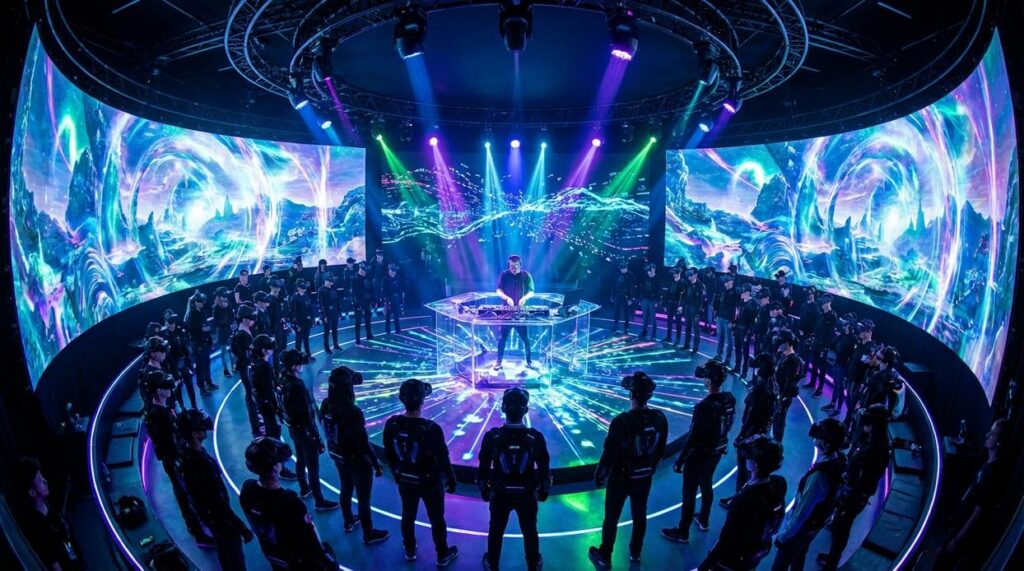
The way we watch basketball is no longer confined to a sideline camera and a commentator’s voice. Instead, the immersive arena is turning fans into active participants. At the center of this shift is volumetric video—a technology that captures players in three dimensions, allowing viewers to rotate angles and replay a moment from any athlete’s perspective. Think of it as stepping into the game rather than watching from your couch (finally, a legal way to see the floor like a point guard).
Beyond the Broadcast
Unlike traditional replays, volumetric video lets you:
- View a buzzer-beater from the shooter’s line of sight
- Analyze defensive spacing from above the rim
- Track off-ball movement in full 360 degrees
Meanwhile, augmented reality overlays add context in real time. Toggle on player speed, shot probability percentages (the likelihood a shot goes in based on data models), or projected passing lanes. These tools go beyond flashy graphics—they deliver strategic insight casual broadcasts rarely provide.
Some argue this overwhelms fans. Yet personalization solves that. Streaming platforms now offer customizable feeds—skycam, courtside, or classic broadcast—aligned with sports technology trends 2026. In short, you control the lens, the data, and the experience.
Intelligent Equipment and Automated Officiating
The Smart Ball
The “smart ball” is a sensor-embedded basketball—meaning microchips inside the ball track data like rotation rate (RPM), arc angle, and release speed in real time. Instead of guessing why a shot rims out, players see the numbers instantly. Steph Curry-level backspin isn’t magic; it’s measurable. Coaches can run shooting drills where athletes adjust arc by two degrees and immediately compare outcomes.
Some purists argue this turns art into analytics. They worry players will stare at tablets instead of trusting feel. That’s fair. But data doesn’t replace instinct—it refines it. (Even great shooters check film.)
Pro tip: Use smart ball metrics to track consistency, not perfection. Repetition patterns matter more than one ideal release.
The All-Seeing Court
Imagine a court with integrated tracking technology—sensors under the hardwood mapping every cut, closeout, and pass without wearables. No wristbands. No chest straps. Just seamless movement data. This aligns with broader sports technology trends 2026, where invisible tech outperforms bulky gear.
- Real-time spacing maps
- Heat zones for defensive lapses
- Ball-movement efficiency charts
Skeptics question cost and privacy. Valid concerns. But as arenas modernize, expect adoption at elite levels first (speculation).
AI Referees
AI-powered officiating systems analyze boundary lines, rim contact, and shot clocks in milliseconds. That means fewer missed goaltends and faster reviews. Critics say human judgment adds character. Maybe. Still, if precision improves fairness, AI assistance could become standard within a decade (speculation).
The Edge Belongs to the Prepared
You came here to understand where the game is headed—and now it’s clear. In 2026, the fusion of biometric data, AI-driven strategy, and smart equipment isn’t optional. It’s the difference between leading and falling behind. The real pain point isn’t talent—it’s failing to harness the constant stream of performance data that defines sports technology trends 2026.
Teams that adapt will build stronger athletes, sharper game plans, and sustainable dominance. Those that don’t will struggle to keep pace.
If you’re ready to turn data into wins, start integrating advanced performance tracking into your program today. Join the thousands of coaches already leveraging proven, elite-level insights—get ahead now before your competition does.
 John R. writes the kind of team performance breakdowns content that people actually send to each other. Not because it's flashy or controversial, but because it's the sort of thing where you read it and immediately think of three people who need to see it. John has a talent for identifying the questions that a lot of people have but haven't quite figured out how to articulate yet — and then answering them properly.
They covers a lot of ground: Team Performance Breakdowns, Insider Knowledge, Hot Topics in Sports, and plenty of adjacent territory that doesn't always get treated with the same seriousness. The consistency across all of it is a certain kind of respect for the reader. John doesn't assume people are stupid, and they doesn't assume they know everything either. They writes for someone who is genuinely trying to figure something out — because that's usually who's actually reading. That assumption shapes everything from how they structures an explanation to how much background they includes before getting to the point.
Beyond the practical stuff, there's something in John's writing that reflects a real investment in the subject — not performed enthusiasm, but the kind of sustained interest that produces insight over time. They has been paying attention to team performance breakdowns long enough that they notices things a more casual observer would miss. That depth shows up in the work in ways that are hard to fake.
John R. writes the kind of team performance breakdowns content that people actually send to each other. Not because it's flashy or controversial, but because it's the sort of thing where you read it and immediately think of three people who need to see it. John has a talent for identifying the questions that a lot of people have but haven't quite figured out how to articulate yet — and then answering them properly.
They covers a lot of ground: Team Performance Breakdowns, Insider Knowledge, Hot Topics in Sports, and plenty of adjacent territory that doesn't always get treated with the same seriousness. The consistency across all of it is a certain kind of respect for the reader. John doesn't assume people are stupid, and they doesn't assume they know everything either. They writes for someone who is genuinely trying to figure something out — because that's usually who's actually reading. That assumption shapes everything from how they structures an explanation to how much background they includes before getting to the point.
Beyond the practical stuff, there's something in John's writing that reflects a real investment in the subject — not performed enthusiasm, but the kind of sustained interest that produces insight over time. They has been paying attention to team performance breakdowns long enough that they notices things a more casual observer would miss. That depth shows up in the work in ways that are hard to fake.