
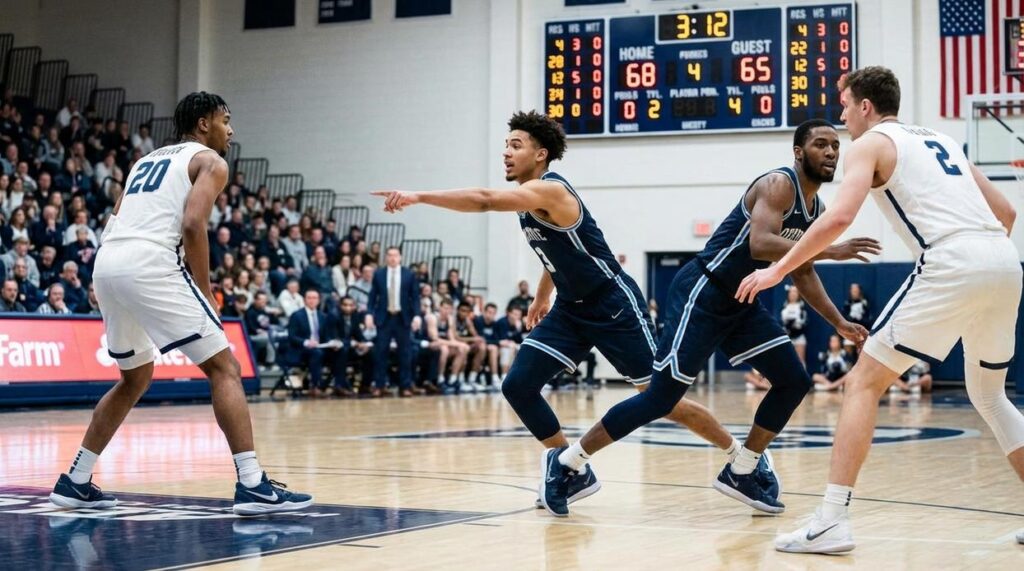
Basketball has evolved. The days of locking players into rigid labels—point guard, shooting guard, center—are fading fast. Teams that cling to outdated roles get exposed by faster, smarter, more adaptable opponents. Today’s game rewards skill, versatility, and decision-making over size alone. That’s where positionless basketball changes everything.
In this blueprint, we break down how a fluid system built on interchangeable skills creates matchup nightmares on offense and switch-heavy dominance on defense. You’ll learn the core principles behind this modern style, its competitive advantages, and practical drills to develop an all-around, adaptable game that fits today’s championship standard.
Deconstructing Versatility: The Core Tenets of Positionless Play
Beyond the 1–5
For decades, basketball was neatly labeled: point guard, shooting guard, small forward, power forward, center. Clean. Predictable. Easy to scout. Today, that structure is bending. Instead of five fixed roles, teams operate on a spectrum of skills—a roster built around interchangeable pieces who can dribble, pass, and shoot.
Think of it like modern streaming services versus cable packages (why settle for one channel when you can access everything?). The goal is five players who can initiate offense, space the floor, and defend multiple spots. That’s the heartbeat of positionless basketball.
Practical tip: In practice, run scrimmages where your tallest player brings the ball up and your guards post up. It rewires instincts quickly.
Skill Stacking Over Specialization
“Skill stacking” means layering abilities traditionally reserved for other roles. Bigs develop tight handles and corner threes. Guards refine post footwork. Everyone sharpens court vision.
- Bigs: Two-dribble attack drills from the perimeter.
- Guards: Daily back-to-the-basket reps.
- All players: Weak-side read-and-react passing drills.
The 2014 Spurs showcased this beautifully—every player could make the extra pass, stretching defenses beyond comfort (Source: NBA Advanced Stats).
High Basketball IQ as the Foundation
Versatility isn’t just physical; it’s mental. Players must recognize mismatches instantly, rotate early on defense, and communicate switches. Without anticipation, freedom becomes chaos.
Pro tip: Film study should focus on decision timing, not just shot results.
Case Study – The 5-Out Offense
In a 5-out system, all five players space beyond the arc. With no traditional post anchor, the paint opens. Defenders must guard 25 feet from the rim, creating driving lanes and kick-out threes. According to Synergy Sports, teams running five-out sets increase drive frequency and corner three attempts.
Stretch the floor, force tough choices, punish every hesitation.
Offensive Dominance: Creating and Exploiting Mismatches
The Ultimate Advantage
A versatile lineup creates constant defensive dilemmas. Option A: a traditional setup where positions stay home and match size for size. Option B: a flexible unit that drags a slow-footed center to the perimeter or buries a small guard on the block. The second forces hesitation (and hesitation gets you beat). When every player can pass, shoot, and attack, defenders can’t hide. That’s the essence of offensive pressure through versatility. In today’s positionless basketball era, rigid roles crumble fast.
The Playmaking Forward
Consider the classic power forward versus the modern point forward. The old model screens and finishes. The new model initiates offense, reads coverages, and fires cross-court lasers like a quarterback in crunch time. Think of LeBron orchestrating from the elbow—size plus vision equals chaos for defenses. Pro tip: develop ball-handling drills for your forwards early; it multiplies lineup flexibility later.
Hunting for Weak Links
Switch-heavy defenses promise balance, but they expose weak links. Smart offenses use:
- High ball screens to force mismatches
- Off-ball motion to trigger confusion
- Quick isolations before help arrives
Critics argue this slows ball movement. Sometimes it does. But isolating your best scorer against their weakest defender? That’s calculated exploitation, not hero ball.
The Defensive Imperative: Why Switching Changes Everything
If you ask me, the future of elite defense isn’t complicated—it’s about eliminating weak links. A scheme that can switch everything removes the chaos offenses try to create with screens. Switching means defenders simply exchange assignments instead of fighting through picks, preventing the split-second confusion that leads to open threes (and those backbreaking corner shots).
To make that work, you need players who can guard 1 through 5. That phrase means handling every position on the floor—from shifty point guards on the perimeter to bruising forwards in the post. It’s the backbone of positionless basketball, where roles blur and versatility rules.
Some critics argue constant switching creates mismatches inside. Fair point. But I’d counter that length and agility neutralize most of those gaps. A long wingspan (the distance between fingertip to fingertip) disrupts passing lanes and contests jumpers, while quick lateral movement keeps drivers in front. The NBA’s top defenses consistently feature rangy, mobile athletes, not plodding specialists (see: recent Finals contenders, per NBA defensive rating data).
And about being undersized? That’s where team rebounding comes in. Gang rebounding—all five crashing the glass—erases size disadvantages through effort and positioning. In my view, commitment beats height more often than we admit.
Building Your Versatile Skillset: Three Essential Drills
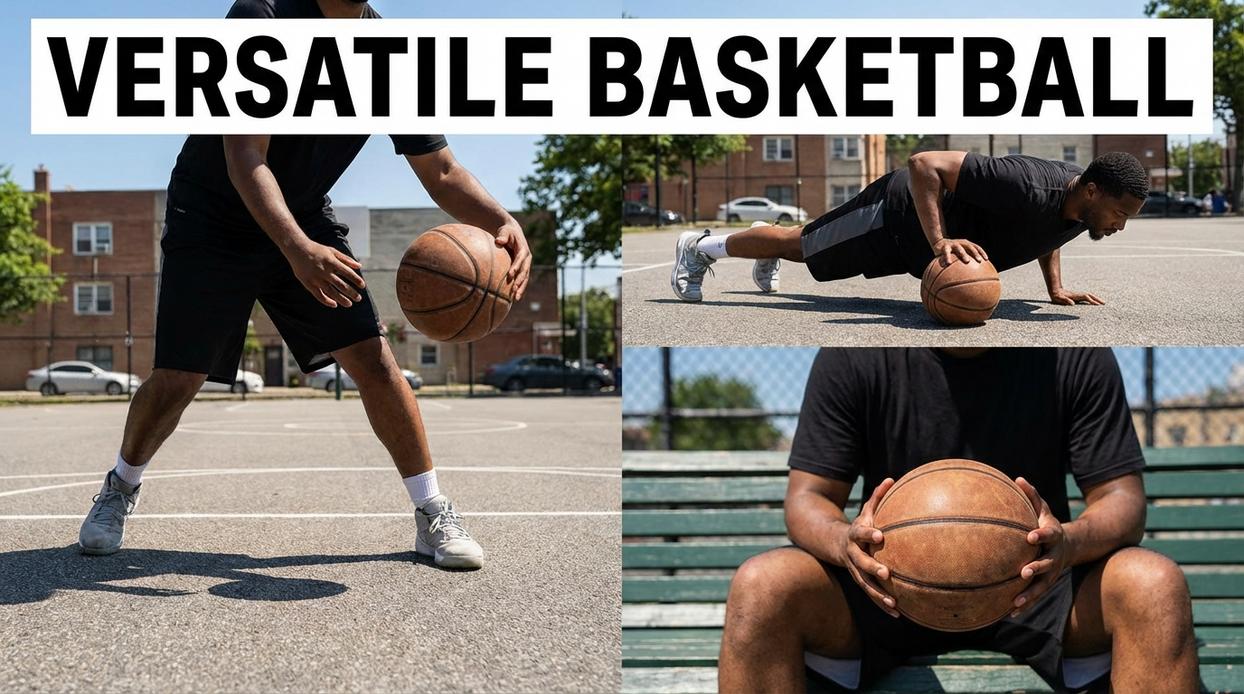
Modern players thrive in positionless basketball, where guards post up and centers push the break. To compete, your training must reflect that reality.
Drill 1: Full-Court Dribbling Series
Research from USA Basketball shows elite guards change direction every 2–3 seconds in transition. Practicing crossovers, between-the-legs, and behind-the-back moves at game speed builds neuromuscular control under pressure. Game-speed reps improve ball security by simulating defensive chaos (yes, the kind that makes your heart race).
Drill 2: Form Shooting from All Spots
According to Synergy Sports data, over 60% of points at higher levels come from jump shots. Repping catch-and-shoot and off-the-dribble attempts from three, mid-range, and the post reinforces consistent mechanics and shot versatility.
- Track makes and misses to measure growth.
- Film your elbow alignment for objective feedback.
Drill 3: Defensive Slides and Closeouts
Studies in sports biomechanics show lateral quickness directly impacts defensive efficiency ratings. Staying low and chopping feet reduces fouls while increasing contested shots. Defense travels—even when your shot doesn’t.
Your Path to Becoming an Unstoppable Player
The modern game has changed. Success no longer belongs to athletes who stay in one lane—it belongs to those who embrace positionless basketball and adapt to every situation on the court. If you’ve been trying to squeeze your game into a single positional box, you’ve likely felt the frustration of being limited, predictable, or overlooked.
The truth is simple: versatility wins. When you build a well-rounded skill set through focused, targeted drills, you create mismatches, defend anyone, and become the player every coach trusts in clutch moments.
Stop training like a one-dimensional player. Start applying these principles today and unlock the complete, unstoppable version of your game.
 There is a specific skill involved in explaining something clearly — one that is completely separate from actually knowing the subject. Rachel J. has both. They has spent years working with team performance breakdowns in a hands-on capacity, and an equal amount of time figuring out how to translate that experience into writing that people with different backgrounds can actually absorb and use.
Rachel tends to approach complex subjects — Team Performance Breakdowns, Insider Knowledge, Hot Topics in Sports being good examples — by starting with what the reader already knows, then building outward from there rather than dropping them in the deep end. It sounds like a small thing. In practice it makes a significant difference in whether someone finishes the article or abandons it halfway through. They is also good at knowing when to stop — a surprisingly underrated skill. Some writers bury useful information under so many caveats and qualifications that the point disappears. Rachel knows where the point is and gets there without too many detours.
The practical effect of all this is that people who read Rachel's work tend to come away actually capable of doing something with it. Not just vaguely informed — actually capable. For a writer working in team performance breakdowns, that is probably the best possible outcome, and it's the standard Rachel holds they's own work to.
There is a specific skill involved in explaining something clearly — one that is completely separate from actually knowing the subject. Rachel J. has both. They has spent years working with team performance breakdowns in a hands-on capacity, and an equal amount of time figuring out how to translate that experience into writing that people with different backgrounds can actually absorb and use.
Rachel tends to approach complex subjects — Team Performance Breakdowns, Insider Knowledge, Hot Topics in Sports being good examples — by starting with what the reader already knows, then building outward from there rather than dropping them in the deep end. It sounds like a small thing. In practice it makes a significant difference in whether someone finishes the article or abandons it halfway through. They is also good at knowing when to stop — a surprisingly underrated skill. Some writers bury useful information under so many caveats and qualifications that the point disappears. Rachel knows where the point is and gets there without too many detours.
The practical effect of all this is that people who read Rachel's work tend to come away actually capable of doing something with it. Not just vaguely informed — actually capable. For a writer working in team performance breakdowns, that is probably the best possible outcome, and it's the standard Rachel holds they's own work to.