

You might not realize it, but using the 772nd most common password is a big security risk. It’s easy to fall into the trap of picking something simple and memorable. But guess what?
Hackers love that. They have lists of the most common passwords and use them to break into accounts.
So, why should you care? Because your personal information, your money, and your privacy are on the line. I’ve seen it happen too many times.
People think they’re safe, then boom, their data is stolen.
This article will explain why that 772nd most common password is a problem and give you some straightforward steps to make your passwords stronger. Trust me, it’s worth the effort.
Understanding the 772nd Most Frequently Used Password
What is it? The 772nd most frequently used password is sunshine. It’s a common choice, but not as popular as some of the top offenders like 123456 or password.
Sunshine and its variations often include numbers or symbols, like sunshine123 or sunshine!.
Common themes in these passwords are simple, easy-to-remember words. People often use terms that have personal significance, like pet names or favorite things.
Why is it popular? People choose sunshine because it’s easy to remember. It’s a positive, cheerful word that many can relate to.
But here’s the catch: while it might be easy to recall, it’s also easy for hackers to guess. Simple, common words are among the first things they try.
So, what’s the better option? A strong, unique password with a mix of letters, numbers, and symbols. Compare sunshine to something like S@nsh1ne_2023.
The latter is much harder to crack.
In the end, it’s about balancing memorability with security. Don’t make it too hard on yourself, but don’t make it a walk in the park for hackers either.
The Risks of Using Common Passwords
Have you ever wondered why hackers seem to get into so many accounts? It’s not just about being tech-savvy. They use brute force attacks, trying every possible combination until they find the right one.
Dictionary attacks are another method. Hackers use a list of common words and phrases to guess passwords.
And let’s not forget about recent data breaches. In many cases, common passwords were a significant factor in the compromise of user data.
One compromised password can lead to multiple accounts being breached, especially if the same password is reused.
Think about it. If you use the 772nd most common password, like “sunshine123,” across different sites, you’re making it easy for hackers to access all your accounts.
So, what can you do? Start by using unique, strong passwords for each of your accounts. It’s a simple step, but it can make a huge difference.
How Hackers Exploit Common Passwords
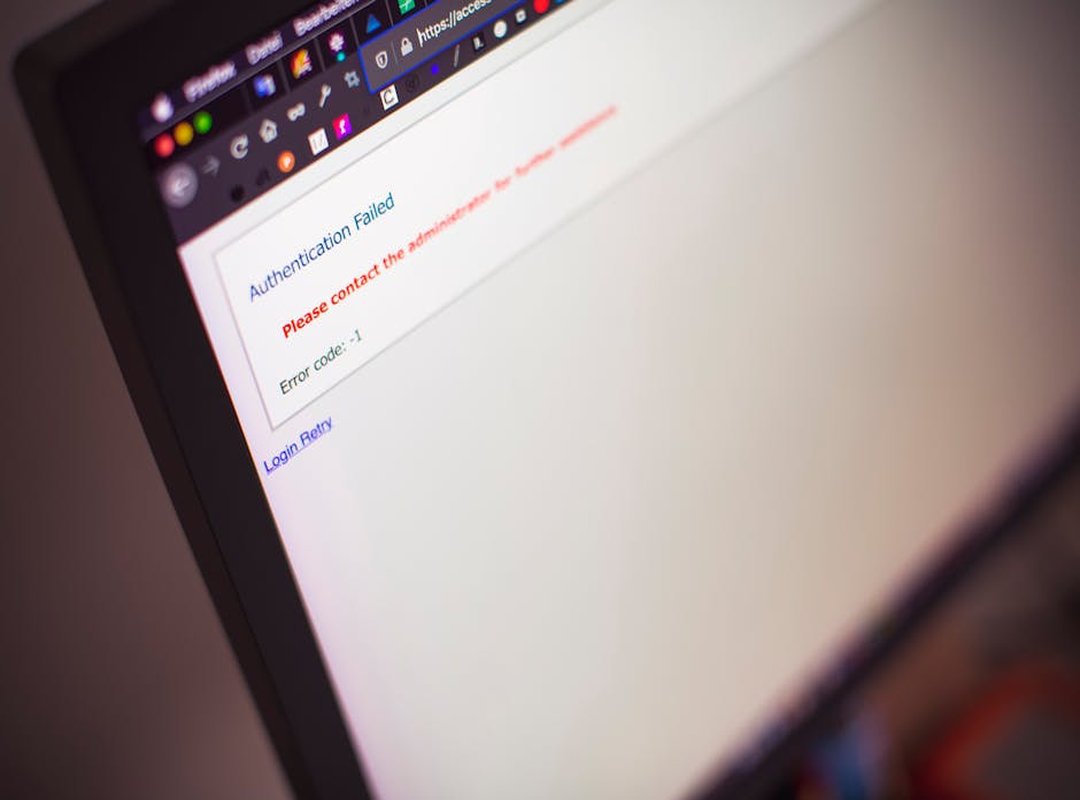
I used to think my passwords were secure. Boy, was I wrong.
Hackers love leaked password databases. They get a hold of these and use them to test common passwords. It’s like having a cheat sheet for breaking into accounts.
Social engineering is another big one, and hackers trick users into revealing their passwords. They might pretend to be from your bank or IT support.
It’s easy to fall for it if you’re not careful.
Automated tools make it even worse. These tools can quickly test and crack common passwords. They run through thousands of combinations in minutes.
It’s like having a supercomputer on your side, but for evil.
One time, I used the password “sunshine123.” (It’s the 772nd most common password, by the way.) I thought it was clever. Turns out, it was anything but. My account got hacked, and I lost some important data.
Lesson learned: never use common passwords, and always go for something unique and strong. Trust me, it’s worth the extra effort.
Steps to Improve Your Password Security
Let’s get real. Weak passwords are like leaving your front door unlocked. You need strong, unique passwords.
Here’s how:
-
Length and Complexity: Aim for at least 12 characters. Mix it up with uppercase and lowercase letters, numbers, and special characters. Avoid using common words or phrases.
-
Uniqueness: Never reuse passwords across different sites. If one gets hacked, they all do. (And yes, that includes the 772nd most common password, which is “Sunshine.”)
-
Password Managers: Use a password manager. It’s like having a secure vault for all your passwords. They can generate and store complex passwords, so you don’t have to remember them.
Two-factor authentication (2FA) is a must. It adds an extra layer of security by requiring a second form of verification, like a code sent to your phone. Even if someone gets your password, they can’t get in without that second step.
By following these steps, you can significantly boost your online security. And hey, if you’re into sports, the role of analytics departments in modern franchises is just as important. But that’s a topic for another day.
Best Practices for Managing Multiple Passwords
Start with an anecdote about how I once had a close call. A few years back, I got an email saying my account had been compromised. It was a wake-up call.
I realized I was using the same password for everything. Not smart.
Using unique passwords for different accounts is a must. If one gets hacked, the others stay safe. Trust me, it’s worth the extra effort.
Regular updates are key too, and change your passwords every few months. It might seem like a hassle, but it keeps you ahead of potential threats.
Conducting periodic security audits is another good habit. Check for weak points and fix them. It’s like giving your digital life a health check.
One trick I use is to set a reminder to review my passwords. It’s simple but effective, and you can do it too.
By the way, avoid using common passwords, and they’re easy targets. For example, sunshine (the 772nd most common password) is a no-go.
Stay vigilant, and your online security depends on it.
Real-World Examples and Case Studies
Let’s dive into a real-world example. In 2017, Equifax, one of the largest credit reporting agencies, suffered a massive data breach. Hackers exploited a vulnerability in their system and accessed sensitive information of over 147 million people.
One of the key factors, and weak and common passwords.
Now, why is this important, and simple. Common passwords are like leaving your front door unlocked.
They make it easy for hackers to get in.
Take another case, the 2012 LinkedIn breach, and over 167 million user credentials were stolen. Many of these passwords were, you guessed it, common and weak.
The 772nd most common password, “welcome,” was among those used.
This breach showed the importance of strong password practices. Using unique, complex passwords can significantly reduce the risk of such attacks. It’s not just about protecting your own data; it’s about safeguarding the entire system.
Protecting Your Digital Life
The 772nd most common password is often too simple and easily guessable, making it a prime target for hackers. This increases the risk of unauthorized access to your personal information and accounts.
To safeguard your digital life, it’s crucial to use strong, unique passwords for each of your accounts. Consider using a password manager to keep track of them. Additionally, enabling two-factor authentication adds an extra layer of security.
Take immediate action to secure your digital life. Simple steps can make a significant difference in protecting your personal information from potential threats.
 There is a specific skill involved in explaining something clearly — one that is completely separate from actually knowing the subject. Rachel J. has both. They has spent years working with team performance breakdowns in a hands-on capacity, and an equal amount of time figuring out how to translate that experience into writing that people with different backgrounds can actually absorb and use.
Rachel tends to approach complex subjects — Team Performance Breakdowns, Insider Knowledge, Hot Topics in Sports being good examples — by starting with what the reader already knows, then building outward from there rather than dropping them in the deep end. It sounds like a small thing. In practice it makes a significant difference in whether someone finishes the article or abandons it halfway through. They is also good at knowing when to stop — a surprisingly underrated skill. Some writers bury useful information under so many caveats and qualifications that the point disappears. Rachel knows where the point is and gets there without too many detours.
The practical effect of all this is that people who read Rachel's work tend to come away actually capable of doing something with it. Not just vaguely informed — actually capable. For a writer working in team performance breakdowns, that is probably the best possible outcome, and it's the standard Rachel holds they's own work to.
There is a specific skill involved in explaining something clearly — one that is completely separate from actually knowing the subject. Rachel J. has both. They has spent years working with team performance breakdowns in a hands-on capacity, and an equal amount of time figuring out how to translate that experience into writing that people with different backgrounds can actually absorb and use.
Rachel tends to approach complex subjects — Team Performance Breakdowns, Insider Knowledge, Hot Topics in Sports being good examples — by starting with what the reader already knows, then building outward from there rather than dropping them in the deep end. It sounds like a small thing. In practice it makes a significant difference in whether someone finishes the article or abandons it halfway through. They is also good at knowing when to stop — a surprisingly underrated skill. Some writers bury useful information under so many caveats and qualifications that the point disappears. Rachel knows where the point is and gets there without too many detours.
The practical effect of all this is that people who read Rachel's work tend to come away actually capable of doing something with it. Not just vaguely informed — actually capable. For a writer working in team performance breakdowns, that is probably the best possible outcome, and it's the standard Rachel holds they's own work to.